Vehicles using M254.920 engine list:
- MERCEDES_BENZ - C 300 (190kW) 2021–2025
- MERCEDES_BENZ - C 300 e (150kW) 2021–2025
- MERCEDES_BENZ - GLC 300 (190kW) 2022–2025
- MERCEDES_BENZ - CLE 200 (150kW) 2023–2025
- MERCEDES_BENZ - E 200 4MATIC (150kW) 2023–2025
- MERCEDES_BENZ - E 200 (150kW) 2023–2025
- MERCEDES_BENZ - E 300 e (230kW) 2023–2025
- MERCEDES_BENZ - E 300 e 4MATIC (230kW) 2023–2025
- MERCEDES_BENZ - E 400 e 4MATIC (280kW) 2023–2025
- MERCEDES_BENZ - GLE 400 e 4MATIC (280kW) 2023–2025
- MERCEDES_BENZ - GLE 350 4MATIC (M254.920) (190kW) 2023–2025
- MERCEDES_BENZ - CLE 300 e (150kW) 2023–2025
Recommended oil for engine M254.920 engine.

| Castrol EDGE 0W‑20 LL IV | |
|---|---|
| ACEA C5/C6 | ✔️ |
| VW 508 00/509 00 | ✔️ |
| Porsche C20 | ✔️ |
| BMW LL‑17 FE+ | ✔️ |
| MB 229.71/229.72 | ✔️ |
| Ford WSS‑M2C956‑A1 | ✔️ |
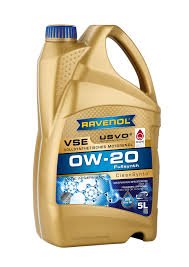
| RAVENOL USVO® DXG 0W-20 | |
|---|---|
| ACEA C5 | ✔️ |
| VW 508 00/509 00 | ✔️ |
| Porsche C20 | ✔️ |
| BMW LL‑17 FE+ | ✔️ |
| MB 229.71 / 229.72 | ✔️ |
| Ford WSS‑M2C956‑A1 | ✔️ |
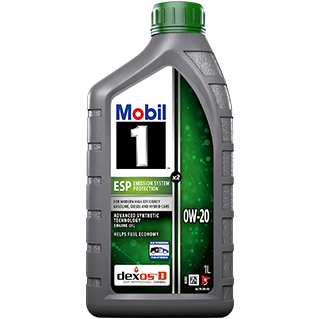
| Mobil 1 ESP x2 0W‑20 | |
|---|---|
| ACEA C5/C6 | ✔️ |
| VW 508 00/509 00 | ✔️ |
| Porsche C20 | ✔️ |
| MB 229.71 | ✔️ |
| Ford WSS‑M2C956‑A1 | ✔️ |
| GM dexosD | ✔️ |

| Liqui Moly Top Tec 6200 0W‑20 | |
|---|---|
| ACEA C5 | ✔️ |
| VW 508 00/509 00 | ✔️ |
| Porsche C20 | ✔️ |
| Ford WSS‑M2C956‑A1 | ✔️ |
Oil specification key
✔️ – Meets the required specification
❓ – Not explicitly stated (use caution; check your vehicle manual)
❌ – Does not meet required specification. Use may cause engine issues.
✔️ – Meets the required specification
❓ – Not explicitly stated (use caution; check your vehicle manual)
❌ – Does not meet required specification. Use may cause engine issues.
Answer generated by AI.
Oil specifications for M254.920 engine
SAE 0W-20
ACEA C5
MB 229.71
Most common problems, symptoms & fixes for the M254.920 engine.
Engine M254.920
Symptoms:
- Rough idling or misfires during acceleration
- Loss of power or hesitation under load
- Check Engine Light (CEL) illumination
- Unusual engine noises such as ticking or knocking
- Increased oil consumption or visible leaks
Diagnosis:
- Perform a thorough OBD-II scan to identify fault codes related to ignition coils, fuel injectors, or camshaft sensors.
- Inspect ignition coils and spark plugs for wear or damage, as these are common failure points.
- Check for vacuum leaks or intake manifold gasket issues that can cause rough running.
- Examine the turbocharger system for boost leaks or malfunctioning wastegate actuators.
- Assess oil quality and level to rule out lubrication-related problems.
- Verify software updates and engine control unit (ECU) calibrations are current to prevent known issues.
Fixes:
- Replace faulty ignition coils or spark plugs to restore proper combustion.
- Repair or replace leaking intake manifold gaskets or vacuum lines.
- Service or replace turbocharger components if boost pressure is inadequate.
- Address oil leaks by replacing seals or gaskets as needed.
- Update ECU software to the latest version provided by Mercedes-Benz to improve engine management and reliability.
- Perform regular oil and filter changes using manufacturer-recommended specifications to maintain engine health.
Prevention:
- Adhere strictly to the scheduled maintenance intervals outlined by Mercedes-Benz, including oil changes and spark plug replacements.
- Use only approved engine oils and high-quality fuel to minimize deposit formation and wear.
- Monitor engine performance regularly and address any warning signs promptly to avoid escalation.
- Keep software and firmware updated through authorized service centers.
- Avoid extended idling and aggressive driving to reduce stress on engine components.
- Ensure cooling system is functioning properly to prevent overheating and related engine damage.
Following these guidelines helps maintain the M254.920 engine’s performance and longevity across the specified Mercedes-Benz models.
Symptoms:
- Rough idling or misfires during acceleration
- Loss of power or hesitation under load
- Check Engine Light (CEL) illumination
- Unusual engine noises such as ticking or knocking
- Increased oil consumption or visible leaks
Diagnosis:
- Perform a thorough OBD-II scan to identify fault codes related to ignition coils, fuel injectors, or camshaft sensors.
- Inspect ignition coils and spark plugs for wear or damage, as these are common failure points.
- Check for vacuum leaks or intake manifold gasket issues that can cause rough running.
- Examine the turbocharger system for boost leaks or malfunctioning wastegate actuators.
- Assess oil quality and level to rule out lubrication-related problems.
- Verify software updates and engine control unit (ECU) calibrations are current to prevent known issues.
Fixes:
- Replace faulty ignition coils or spark plugs to restore proper combustion.
- Repair or replace leaking intake manifold gaskets or vacuum lines.
- Service or replace turbocharger components if boost pressure is inadequate.
- Address oil leaks by replacing seals or gaskets as needed.
- Update ECU software to the latest version provided by Mercedes-Benz to improve engine management and reliability.
- Perform regular oil and filter changes using manufacturer-recommended specifications to maintain engine health.
Prevention:
- Adhere strictly to the scheduled maintenance intervals outlined by Mercedes-Benz, including oil changes and spark plug replacements.
- Use only approved engine oils and high-quality fuel to minimize deposit formation and wear.
- Monitor engine performance regularly and address any warning signs promptly to avoid escalation.
- Keep software and firmware updated through authorized service centers.
- Avoid extended idling and aggressive driving to reduce stress on engine components.
- Ensure cooling system is functioning properly to prevent overheating and related engine damage.
Following these guidelines helps maintain the M254.920 engine’s performance and longevity across the specified Mercedes-Benz models.