Vehicles using EA9A2evo 3.8l B6T engine list:
- PORSCHE - 911 Turbo S (478kW) 2019–2020
- PORSCHE - 911 Turbo S (478kW) 2020–2025
- PORSCHE - 911 Turbo (427kW) 2020–2025
- PORSCHE - 911 Turbo Cabriolet (427kW) 2020–2025
- PORSCHE - 911 Turbo S Cabriolet (478kW) 2020–2025
- PORSCHE - 911 Sport Classic (405kW) 2022–2025
Recommended oil for engine EA9A2evo 3.8l B6T engine.
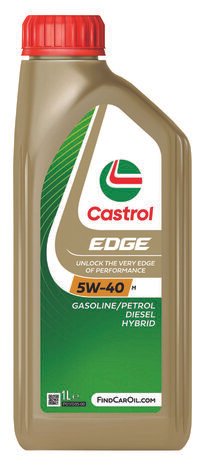
| Castrol EDGE 5W‑40 M | |
|---|---|
| SAE 5W‑40 | ✔ |
| ACEA C3 | ✔ |
| API SN PLUS/CF | ✔ |
| MB‑Approval 226.5/229.31/229.51 | ✔ |
| Opel OV 0401547‑D40 | ✔ |
| Porsche A40 | ✔ |
| Renault RN 0700/0710 | ✔ |
| VW 505.00/505.01 | ✔ |
| Fiat 9.55535‑S2 | ✔ |
| Ford WSS‑M2C917‑A | ✔ |
| dexos2 | ✔ |
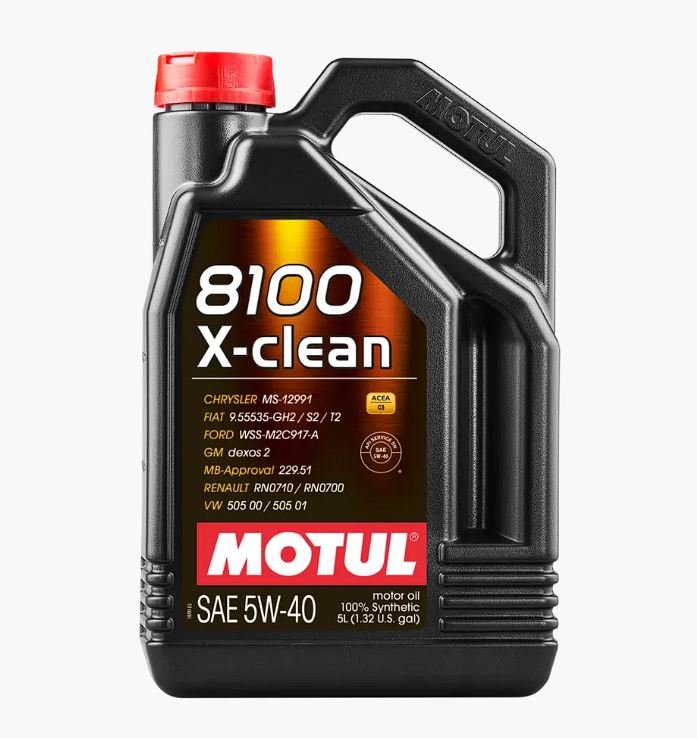
| Motul 8100 X‑Clean Gen2 5W‑40 | |
|---|---|
| SAE 5W‑40 | ✔ |
| ACEA C3 | ✔ |
| API SN/CF | ✔ |
| MB‑Approval 226.5/229.31/229.51 | ✔ |
| Opel OV 0401547‑D40 | ✔ |
| Porsche A40 | ✔ |
| Renault RN 0700/0710 | ✔ |
| VW 505.00/505.01 | ✔ |
| Fiat 9.55535‑S2 | ✔ |
| Ford WSS‑M2C917‑A | ✔ |
| dexos2 | ✔ |

| RAVENOL VST 5W‑40 | |
|---|---|
| SAE 5W‑40 | ✔ |
| ACEA A3/B4 | ✔ |
| API SN/CF | ✔ |
| MB‑Approval 229.5/226.5 | ❓ |
| Opel OV 0401547 | ❌ |
| Porsche A40 | ✔ |
| Renault RN 0700/0710 | ✔ |
| VW 505.00/505.01 | ✔ |
| Fiat 9.55535‑S2 | ✔ |
| Ford WSS‑M2C917‑A | ✔ |
| dexos2 | ✔ |
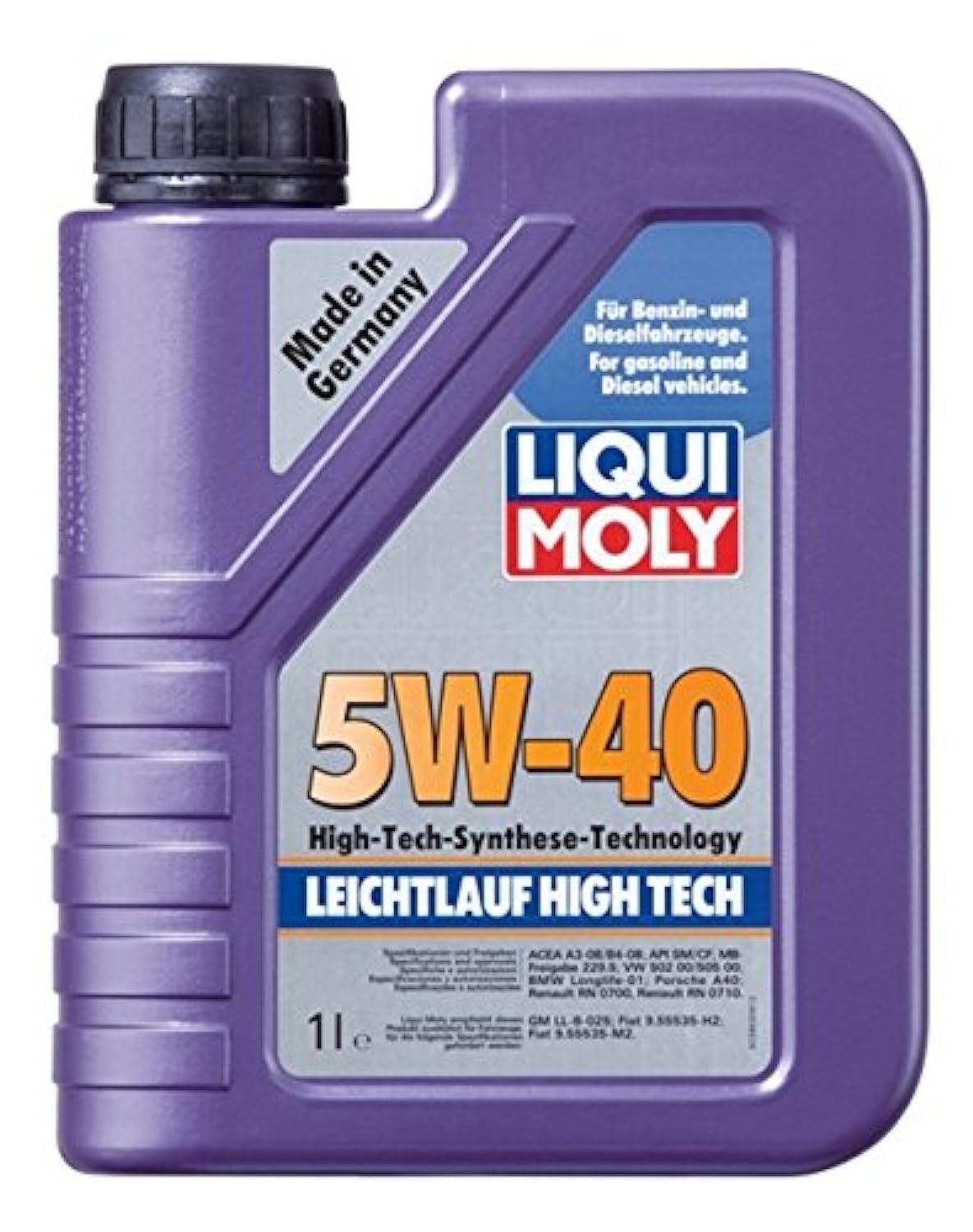
| Liqui Moly Leichtlauf High Tech 5W‑40 | |
|---|---|
| SAE 5W‑40 | ✔ |
| ACEA A3/B4 | ✔ |
| API SN/CF | ✔ |
| MB 229.5 | ❓ |
| Opel OV 0401547 | ❌ |
| Porsche A40 | ✔ |
| Renault RN 0700/0710 | ✔ |
| VW 505.00/505.01 | ✔ |
| Fiat 9.55535‑S2 | ✔ |
| Ford WSS‑M2C917‑A | ✔ |
| dexos2 | ✔ |
Oil specification key
✔ – Meets the required specification
❓ – Not explicitly stated (use caution; check your vehicle manual)
❌ – Does not meet required specification. Use may cause engine issues.
✔ – Meets the required specification
❓ – Not explicitly stated (use caution; check your vehicle manual)
❌ – Does not meet required specification. Use may cause engine issues.
Answer generated by AI.
Oil specifications for EA9A2evo 3.8l B6T engine
SAE 0W-40
ACEA C3
API SN Plus
Porsche C40
Most common problems, symptoms & fixes for the EA9A2evo 3.8l B6T engine.
Engine EA9A2evo 3.8l B6T
Symptoms:
- Occasional rough idling or hesitation during acceleration
- Unusual turbo lag or reduced boost pressure
- Check Engine Light (CEL) illumination with related fault codes
- Minor oil leaks around turbocharger or valve cover gaskets
- Slightly increased oil consumption over time
Diagnosis:
- Perform a thorough diagnostic scan to identify any stored fault codes, focusing on turbocharger pressure sensors, ignition coils, and fuel system components.
- Inspect turbocharger operation and boost pressure using a boost gauge or diagnostic tool.
- Check for vacuum leaks or intake system cracks that may cause rough running or boost loss.
- Examine valve cover gaskets and turbocharger seals for signs of oil leakage.
- Conduct a compression test to rule out internal engine wear if performance issues persist.
Fixes:
- Replace faulty ignition coils or spark plugs to resolve misfires causing rough idling.
- Repair or replace damaged vacuum lines or intake components to restore proper boost pressure.
- Renew valve cover gaskets and turbocharger seals to eliminate oil leaks.
- Clean or replace the turbocharger wastegate actuator if turbo lag is detected.
- Use OEM quality engine oil and adhere to recommended oil change intervals to maintain turbocharger health and prevent premature wear.
Prevention:
- Follow Porsche’s recommended maintenance schedule strictly, including timely oil and filter changes using manufacturer-approved synthetic oils.
- Avoid aggressive driving when the engine is cold to protect turbocharger components.
- Regularly inspect and maintain the intake and vacuum systems to prevent leaks.
- Use high-quality fuel to ensure optimal combustion and reduce carbon buildup.
- Monitor engine performance and address any warning signs promptly to prevent escalation of minor issues.
By adhering to these diagnostic and maintenance practices, owners of vehicles equipped with the EA9A2evo 3.8l B6T engine can ensure reliable performance and longevity.
Symptoms:
- Occasional rough idling or hesitation during acceleration
- Unusual turbo lag or reduced boost pressure
- Check Engine Light (CEL) illumination with related fault codes
- Minor oil leaks around turbocharger or valve cover gaskets
- Slightly increased oil consumption over time
Diagnosis:
- Perform a thorough diagnostic scan to identify any stored fault codes, focusing on turbocharger pressure sensors, ignition coils, and fuel system components.
- Inspect turbocharger operation and boost pressure using a boost gauge or diagnostic tool.
- Check for vacuum leaks or intake system cracks that may cause rough running or boost loss.
- Examine valve cover gaskets and turbocharger seals for signs of oil leakage.
- Conduct a compression test to rule out internal engine wear if performance issues persist.
Fixes:
- Replace faulty ignition coils or spark plugs to resolve misfires causing rough idling.
- Repair or replace damaged vacuum lines or intake components to restore proper boost pressure.
- Renew valve cover gaskets and turbocharger seals to eliminate oil leaks.
- Clean or replace the turbocharger wastegate actuator if turbo lag is detected.
- Use OEM quality engine oil and adhere to recommended oil change intervals to maintain turbocharger health and prevent premature wear.
Prevention:
- Follow Porsche’s recommended maintenance schedule strictly, including timely oil and filter changes using manufacturer-approved synthetic oils.
- Avoid aggressive driving when the engine is cold to protect turbocharger components.
- Regularly inspect and maintain the intake and vacuum systems to prevent leaks.
- Use high-quality fuel to ensure optimal combustion and reduce carbon buildup.
- Monitor engine performance and address any warning signs promptly to prevent escalation of minor issues.
By adhering to these diagnostic and maintenance practices, owners of vehicles equipped with the EA9A2evo 3.8l B6T engine can ensure reliable performance and longevity.