Vehicles using DXRC engine list:
Recommended oil for engine DXRC engine.

| Castrol EDGE 0W‑20 LL IV | |
|---|---|
| ACEA C5/C6 | ✔️ |
| VW 508 00/509 00 | ✔️ |
| Porsche C20 | ✔️ |
| BMW LL‑17 FE+ | ✔️ |
| MB 229.71/229.72 | ✔️ |
| Ford WSS‑M2C956‑A1 | ✔️ |
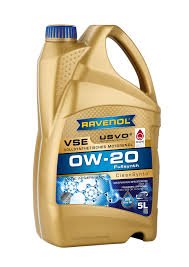
| RAVENOL USVO® DXG 0W-20 | |
|---|---|
| ACEA C5 | ✔️ |
| VW 508 00/509 00 | ✔️ |
| Porsche C20 | ✔️ |
| BMW LL‑17 FE+ | ✔️ |
| MB 229.71 / 229.72 | ✔️ |
| Ford WSS‑M2C956‑A1 | ✔️ |
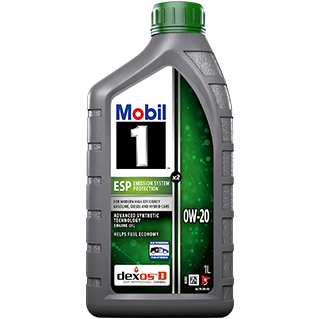
| Mobil 1 ESP x2 0W‑20 | |
|---|---|
| ACEA C5/C6 | ✔️ |
| VW 508 00/509 00 | ✔️ |
| Porsche C20 | ✔️ |
| MB 229.71 | ✔️ |
| Ford WSS‑M2C956‑A1 | ✔️ |
| GM dexosD | ✔️ |

| Liqui Moly Top Tec 6200 0W‑20 | |
|---|---|
| ACEA C5 | ✔️ |
| VW 508 00/509 00 | ✔️ |
| Porsche C20 | ✔️ |
| Ford WSS‑M2C956‑A1 | ✔️ |
Oil specification key
✔️ – Meets the required specification
❓ – Not explicitly stated (use caution; check your vehicle manual)
❌ – Does not meet required specification. Use may cause engine issues.
✔️ – Meets the required specification
❓ – Not explicitly stated (use caution; check your vehicle manual)
❌ – Does not meet required specification. Use may cause engine issues.
Answer generated by AI.
Oil specifications for DXRC engine
SAE 0W-30
ACEA C3
API SN
VW 507.00
BMW Longlife-04
Most common problems, symptoms & fixes for the DXRC engine.
Engine DXRC
Symptoms:
- Reduced engine power and sluggish acceleration
- Increased fuel consumption
- Warning lights on the dashboard, such as the check engine light or DPF warning
- Rough idling or engine misfires
- Excessive smoke from the exhaust, particularly black or blue smoke
Diagnosis:
- Perform a full OBD-II scan to identify fault codes related to the fuel system, turbocharger, or emissions components
- Inspect the Diesel Particulate Filter (DPF) for clogging or regeneration issues
- Check the turbocharger for signs of wear, shaft play, or boost pressure irregularities
- Examine the EGR (Exhaust Gas Recirculation) valve for carbon buildup or malfunction
- Test fuel injectors for proper spray pattern and leakage
- Verify the condition of sensors such as the MAF (Mass Air Flow) and MAP (Manifold Absolute Pressure)
Fixes:
- Clean or replace the DPF if regeneration is failing or the filter is clogged
- Repair or replace the turbocharger if damaged or worn
- Clean or replace the EGR valve to restore proper exhaust gas recirculation
- Replace faulty fuel injectors to ensure efficient combustion
- Address sensor faults by cleaning or replacing affected sensors
- Perform software updates or ECU recalibration if recommended by the manufacturer to optimize engine management
Prevention:
- Use high-quality diesel fuel and adhere to recommended oil change intervals to maintain engine cleanliness
- Regularly drive the vehicle at highway speeds to allow proper DPF regeneration
- Avoid frequent short trips that prevent the engine from reaching optimal operating temperature
- Schedule periodic inspections of the turbocharger, EGR system, and DPF
- Follow manufacturer service schedules and use genuine parts for replacements to ensure reliability
Symptoms:
- Reduced engine power and sluggish acceleration
- Increased fuel consumption
- Warning lights on the dashboard, such as the check engine light or DPF warning
- Rough idling or engine misfires
- Excessive smoke from the exhaust, particularly black or blue smoke
Diagnosis:
- Perform a full OBD-II scan to identify fault codes related to the fuel system, turbocharger, or emissions components
- Inspect the Diesel Particulate Filter (DPF) for clogging or regeneration issues
- Check the turbocharger for signs of wear, shaft play, or boost pressure irregularities
- Examine the EGR (Exhaust Gas Recirculation) valve for carbon buildup or malfunction
- Test fuel injectors for proper spray pattern and leakage
- Verify the condition of sensors such as the MAF (Mass Air Flow) and MAP (Manifold Absolute Pressure)
Fixes:
- Clean or replace the DPF if regeneration is failing or the filter is clogged
- Repair or replace the turbocharger if damaged or worn
- Clean or replace the EGR valve to restore proper exhaust gas recirculation
- Replace faulty fuel injectors to ensure efficient combustion
- Address sensor faults by cleaning or replacing affected sensors
- Perform software updates or ECU recalibration if recommended by the manufacturer to optimize engine management
Prevention:
- Use high-quality diesel fuel and adhere to recommended oil change intervals to maintain engine cleanliness
- Regularly drive the vehicle at highway speeds to allow proper DPF regeneration
- Avoid frequent short trips that prevent the engine from reaching optimal operating temperature
- Schedule periodic inspections of the turbocharger, EGR system, and DPF
- Follow manufacturer service schedules and use genuine parts for replacements to ensure reliability