Vehicles using B4154T3 engine list:
- VOLVO - V40 T2 1.5 (90kW) 2015–2019
- VOLVO - S60 T2 1.5 (90kW) 2015–2018
- VOLVO - V60 T2 1.5 (90kW) 2015–2018
Recommended oil for engine B4154T3 engine.
Ask AI about any Engine code
Questions strictly about engine codes (brand/model/engine type/production years).

| Castrol EDGE 0W‑20 V | |
|---|---|
| ACEA C5 | ✔ |
| Volvo VCC RBS0-2AE | ✔ |
| API SP | ❌ |
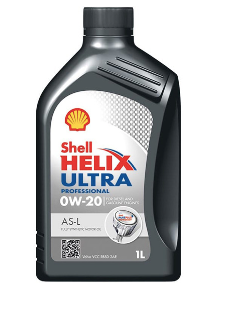
| Shell Helix Ultra Professional AS-L 0W‑20 | |
|---|---|
| ACEA C5 | ✔ |
| Volvo VCC RBS0-2AE | ✔ |
| API SP | ❌ |

| Mobil Super™ 3000 Formula VC 0W‑20 | |
|---|---|
| ACEA C5 | ✔ |
| Volvo VCC RBS0-2AE | ✔ |
| API SP | ✔ |

| Liqui Moly Special Tec V 0W‑20 | |
|---|---|
| ACEA C5 | ✔ |
| Volvo VCC RBS0-2AE | ✔ |
| API SP | ✔ |
Oil specification key
✔ – Meets the required specification
❓ – Not explicitly stated (use caution; check your vehicle manual)
❌ – Does not meet required specification. Use may cause engine issues.
✔ – Meets the required specification
❓ – Not explicitly stated (use caution; check your vehicle manual)
❌ – Does not meet required specification. Use may cause engine issues.
Answer generated by AI.
Oil specifications for B4154T3 engine
ACEA C3
API SN
SAE 0W-20
VW 507.00
MB 229.51
Most common problems, symptoms & fixes for the B4154T3 engine.
Engine B4154T3
Symptoms:
- Rough idling and hesitation during acceleration
- Loss of power or reduced engine performance
- Check Engine Light (CEL) illumination
- Increased fuel consumption
- Occasional stalling or misfires
Diagnosis:
- Use an OBD-II scanner to check for fault codes related to ignition coils, fuel injectors, or sensors such as the MAF (Mass Air Flow) and oxygen sensors.
- Inspect ignition coils and spark plugs for wear or damage, as these are common failure points.
- Check for vacuum leaks or intake manifold gasket issues that can cause rough running.
- Perform a fuel pressure test to ensure the fuel pump and injectors are functioning correctly.
- Examine the turbocharger system (if applicable) for leaks or malfunction.
- Inspect the timing chain and related components for wear or tension issues, as timing problems can cause misfires and poor performance.
Fixes:
- Replace faulty ignition coils and worn spark plugs to restore smooth engine operation.
- Repair or replace damaged vacuum lines and intake gaskets to eliminate leaks.
- Clean or replace the MAF sensor and oxygen sensors if they are contaminated or faulty.
- Service the fuel system by cleaning injectors or replacing the fuel filter to ensure proper fuel delivery.
- Address turbocharger issues by repairing leaks or replacing faulty components.
- Replace timing chain tensioners or guides if wear is detected to prevent timing-related problems.
- Regularly update engine software if manufacturer recalls or updates are available to improve engine management.
Prevention:
- Follow the manufacturer’s recommended maintenance schedule, including timely spark plug and filter replacements.
- Use high-quality fuel and engine oil to reduce deposits and wear.
- Avoid prolonged idling and aggressive driving to minimize stress on engine components.
- Regularly inspect and maintain the air intake and vacuum systems to prevent leaks.
- Schedule periodic diagnostic checks to catch early signs of sensor or ignition system failures.
- Keep the cooling system in good condition to prevent overheating, which can damage engine internals.
Symptoms:
- Rough idling and hesitation during acceleration
- Loss of power or reduced engine performance
- Check Engine Light (CEL) illumination
- Increased fuel consumption
- Occasional stalling or misfires
Diagnosis:
- Use an OBD-II scanner to check for fault codes related to ignition coils, fuel injectors, or sensors such as the MAF (Mass Air Flow) and oxygen sensors.
- Inspect ignition coils and spark plugs for wear or damage, as these are common failure points.
- Check for vacuum leaks or intake manifold gasket issues that can cause rough running.
- Perform a fuel pressure test to ensure the fuel pump and injectors are functioning correctly.
- Examine the turbocharger system (if applicable) for leaks or malfunction.
- Inspect the timing chain and related components for wear or tension issues, as timing problems can cause misfires and poor performance.
Fixes:
- Replace faulty ignition coils and worn spark plugs to restore smooth engine operation.
- Repair or replace damaged vacuum lines and intake gaskets to eliminate leaks.
- Clean or replace the MAF sensor and oxygen sensors if they are contaminated or faulty.
- Service the fuel system by cleaning injectors or replacing the fuel filter to ensure proper fuel delivery.
- Address turbocharger issues by repairing leaks or replacing faulty components.
- Replace timing chain tensioners or guides if wear is detected to prevent timing-related problems.
- Regularly update engine software if manufacturer recalls or updates are available to improve engine management.
Prevention:
- Follow the manufacturer’s recommended maintenance schedule, including timely spark plug and filter replacements.
- Use high-quality fuel and engine oil to reduce deposits and wear.
- Avoid prolonged idling and aggressive driving to minimize stress on engine components.
- Regularly inspect and maintain the air intake and vacuum systems to prevent leaks.
- Schedule periodic diagnostic checks to catch early signs of sensor or ignition system failures.
- Keep the cooling system in good condition to prevent overheating, which can damage engine internals.