Vehicles using 7M-GTE engine list:
Recommended oil for engine 7M-GTE engine.
Ask AI about any Engine code
Questions strictly about engine codes (brand/model/engine type/production years).
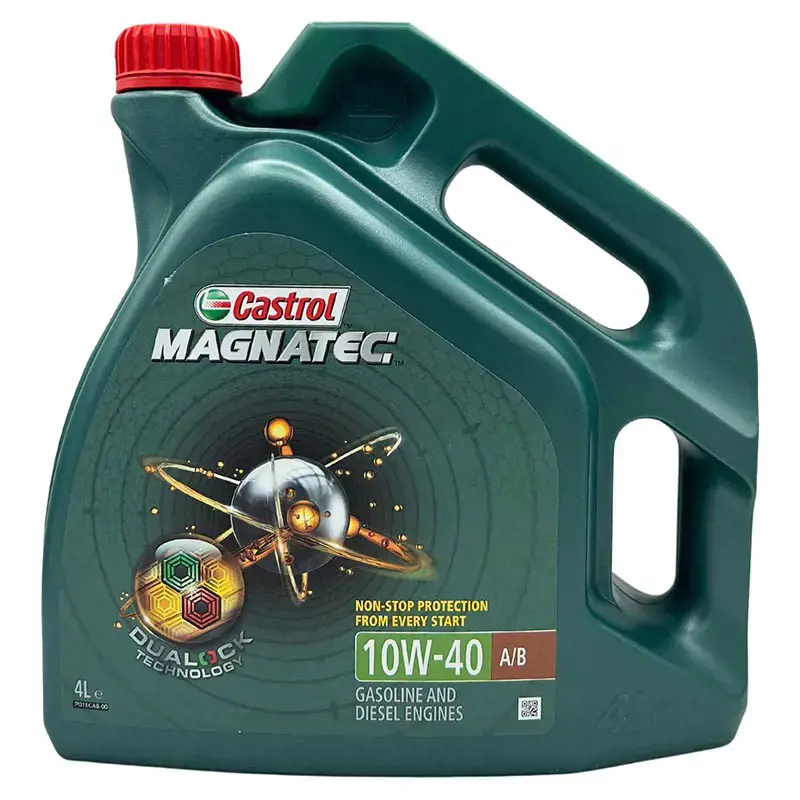
| Castrol MAGNATEC 10W‑40 A/B | |
|---|---|
| SAE 10W‑40 | ✔ |
| ACEA A3/B4 | ✔ |
| API SP | ✔ |
| MB‑Approval 226.5/229.3 | ✔ |
| Renault RN0700 / RN0710 | ✔ |
| VW 501 01 / 505 00 | ✔ |
| Fiat 9.55535‑D2 | ✔ |
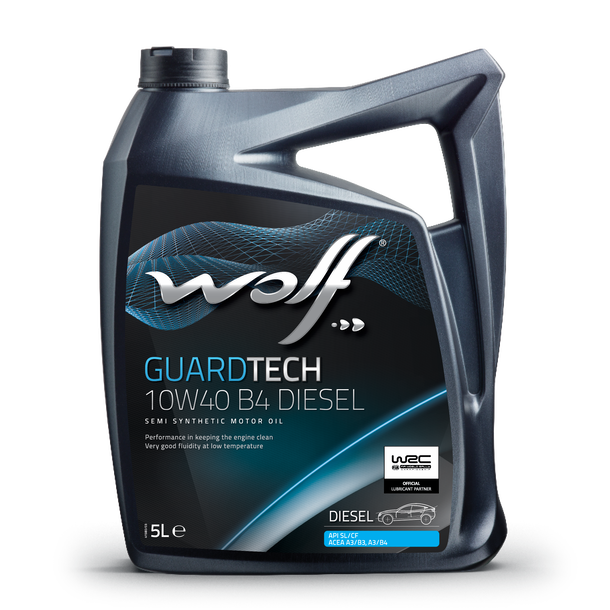
| Wolf GuardTech 10W‑40 B4 | |
|---|---|
| ACEA A3/B4 | ✔ |
| API SN | ✔ |
| MB‑Approval 229.1 | ❓ |
| Renault RN0700 / RN0710 | ✔ |
| VW 501 01 / 505 00 | ✔ |
| Fiat 9.55535‑D2 | ✔ |
| Champion Active Defence 10W‑40 B4 | |
|---|---|
| ACEA A3/B4 | ✔ |
| API SN | ✔ |
| MB‑Approval 229.1 | ❓ |
| Renault RN0700 / RN0710 | ✔ |
| VW 501 01 / 505 00 | ✔ |
| Fiat 9.55535‑D2 | ✔ |
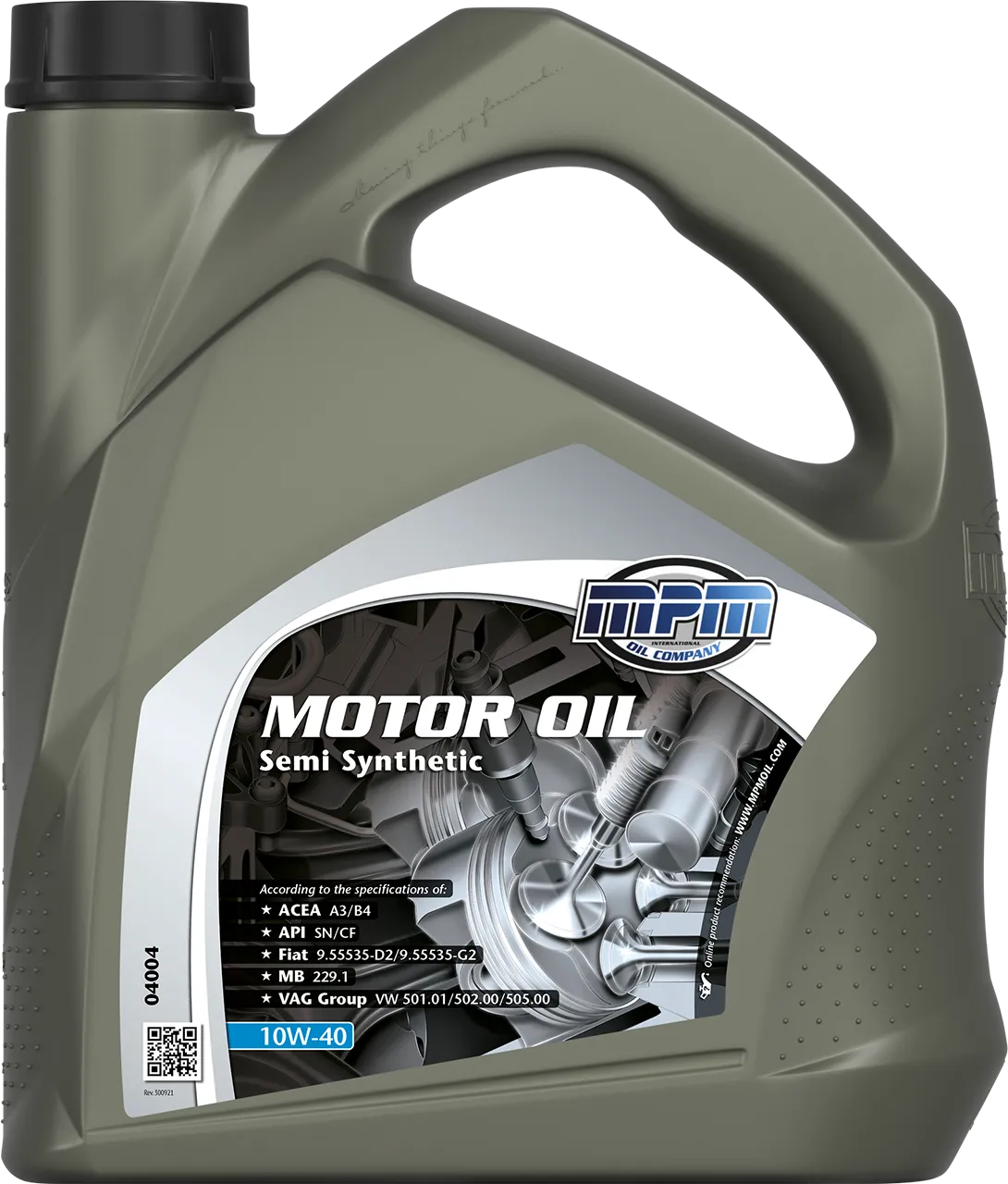
| MPM Part Synthetic 10W‑40 | |
|---|---|
| ACEA A3/B4 | ✔ |
| API SN/CF | ✔ |
| MB‑Approval 229.3 | ❓ |
| Renault RN0700 / RN0710 | ✔ |
| VW 501 01 / 505 00 | ✔ |
| Fiat 9.55535‑D2 | ✔ |
Oil specification key
✔ – Meets the required specification
❓ – Not explicitly stated (use caution; check your vehicle manual)
❌ – Does not meet required specification. Use may cause engine issues.
✔ – Meets the required specification
❓ – Not explicitly stated (use caution; check your vehicle manual)
❌ – Does not meet required specification. Use may cause engine issues.
Answer generated by AI.
Oil specifications for 7M-GTE engine
SAE 10W-40
API SJ
API SL
API SM
API SN
Most common problems, symptoms & fixes for the 7M-GTE engine.
Engine 7M-GTE
Symptoms:
- Loss of power or turbo lag
- Excessive smoke from the exhaust (blue or black)
- Rough idling or stalling
- Overheating or coolant leaks
- Oil leaks around the turbo or engine block
- Whining or unusual turbo noises
Diagnosis:
- Check for boost leaks in intercooler piping and hoses
- Inspect turbocharger for shaft play or damage
- Perform compression test to assess engine health
- Examine spark plugs for fouling or oil deposits
- Inspect vacuum lines and wastegate actuator for proper operation
- Check coolant levels and radiator condition for overheating issues
- Look for oil leaks around turbo seals and gaskets
Fixes:
- Replace worn turbo seals or rebuild/replace turbocharger if necessary
- Repair or replace cracked or leaking intercooler pipes and hoses
- Clean or replace fouled spark plugs and ignition components
- Fix vacuum leaks and ensure wastegate actuator functions correctly
- Address oil leaks by replacing gaskets and seals, especially around the turbo
- Flush and replace coolant; repair radiator or thermostat if overheating persists
- Perform regular oil changes with high-quality synthetic oil to protect turbo and engine internals
Prevention:
- Use high-quality synthetic oil and change it regularly (every 3,000–5,000 miles)
- Maintain proper cooling system function; regularly check coolant levels and condition
- Avoid aggressive driving when the engine is cold to prevent turbo damage
- Regularly inspect and replace worn hoses, clamps, and gaskets
- Monitor boost pressure and engine performance to catch issues early
- Follow manufacturer’s maintenance schedule strictly to prolong engine and turbo life
Symptoms:
- Loss of power or turbo lag
- Excessive smoke from the exhaust (blue or black)
- Rough idling or stalling
- Overheating or coolant leaks
- Oil leaks around the turbo or engine block
- Whining or unusual turbo noises
Diagnosis:
- Check for boost leaks in intercooler piping and hoses
- Inspect turbocharger for shaft play or damage
- Perform compression test to assess engine health
- Examine spark plugs for fouling or oil deposits
- Inspect vacuum lines and wastegate actuator for proper operation
- Check coolant levels and radiator condition for overheating issues
- Look for oil leaks around turbo seals and gaskets
Fixes:
- Replace worn turbo seals or rebuild/replace turbocharger if necessary
- Repair or replace cracked or leaking intercooler pipes and hoses
- Clean or replace fouled spark plugs and ignition components
- Fix vacuum leaks and ensure wastegate actuator functions correctly
- Address oil leaks by replacing gaskets and seals, especially around the turbo
- Flush and replace coolant; repair radiator or thermostat if overheating persists
- Perform regular oil changes with high-quality synthetic oil to protect turbo and engine internals
Prevention:
- Use high-quality synthetic oil and change it regularly (every 3,000–5,000 miles)
- Maintain proper cooling system function; regularly check coolant levels and condition
- Avoid aggressive driving when the engine is cold to prevent turbo damage
- Regularly inspect and replace worn hoses, clamps, and gaskets
- Monitor boost pressure and engine performance to catch issues early
- Follow manufacturer’s maintenance schedule strictly to prolong engine and turbo life