Vehicles using 199B7000 engine list:
- ALFA_ROMEO - MiTo 0.9 Turbo TwinAir (74kW) 2013–2020
- FIAT - Punto 0.9 TwinAir Turbo (74kW) 2014–2019
Recommended oil for engine 199B7000 engine.
Ask AI about any Engine code
Questions strictly about engine codes (brand/model/engine type/production years).

| Castrol MAGNATEC 0W‑30 GS1/DS1 | |
|---|---|
| SAE 0W‑30 | ✔ |
| ACEA C2 | ✔ |
| API SP | ✔ |
| Fiat 9.55535‑GS1 | ✔ |
| Fiat 9.55535‑DS1 | ✔ |
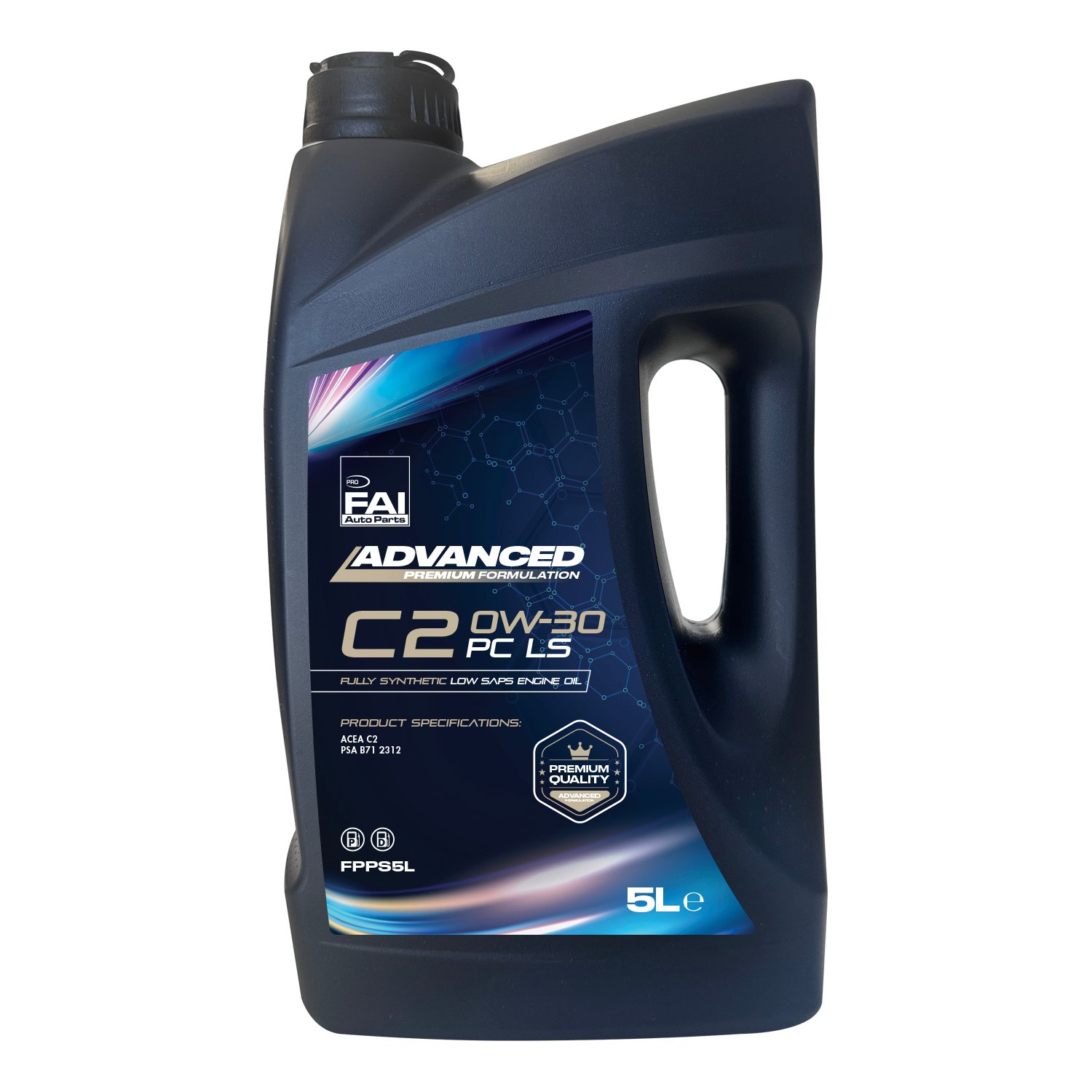
| FAI PRO C2 0W‑30 BM LS | |
|---|---|
| SAE 0W‑30 | ✔ |
| ACEA C2 | ✔ |
| API SP | ✔ |
| Fiat 9.55535‑GS1 | ✔ |
| Fiat 9.55535‑DS1 | ✔ |
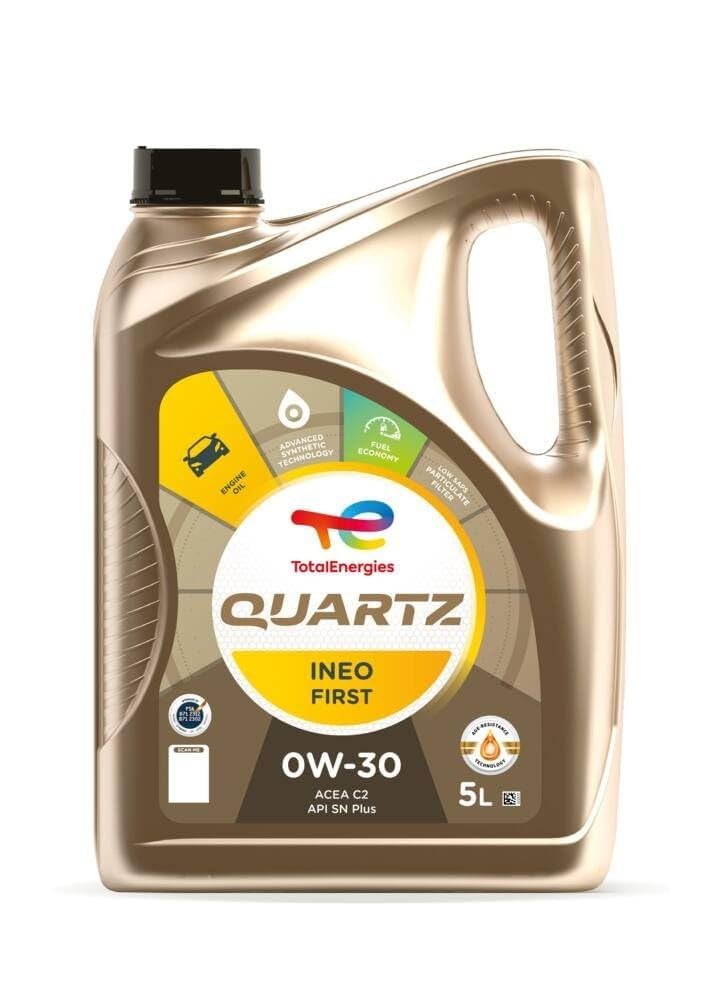
| TotalEnergies Quartz INEO FIRST 0W‑30 | |
|---|---|
| SAE 0W‑30 | ✔ |
| ACEA C2 | ✔ |
| API SP / SN Plus | ✔ |
| Fiat 9.55535‑GS1 | ✔ |
| Fiat 9.55535‑DS1 | ✔ |
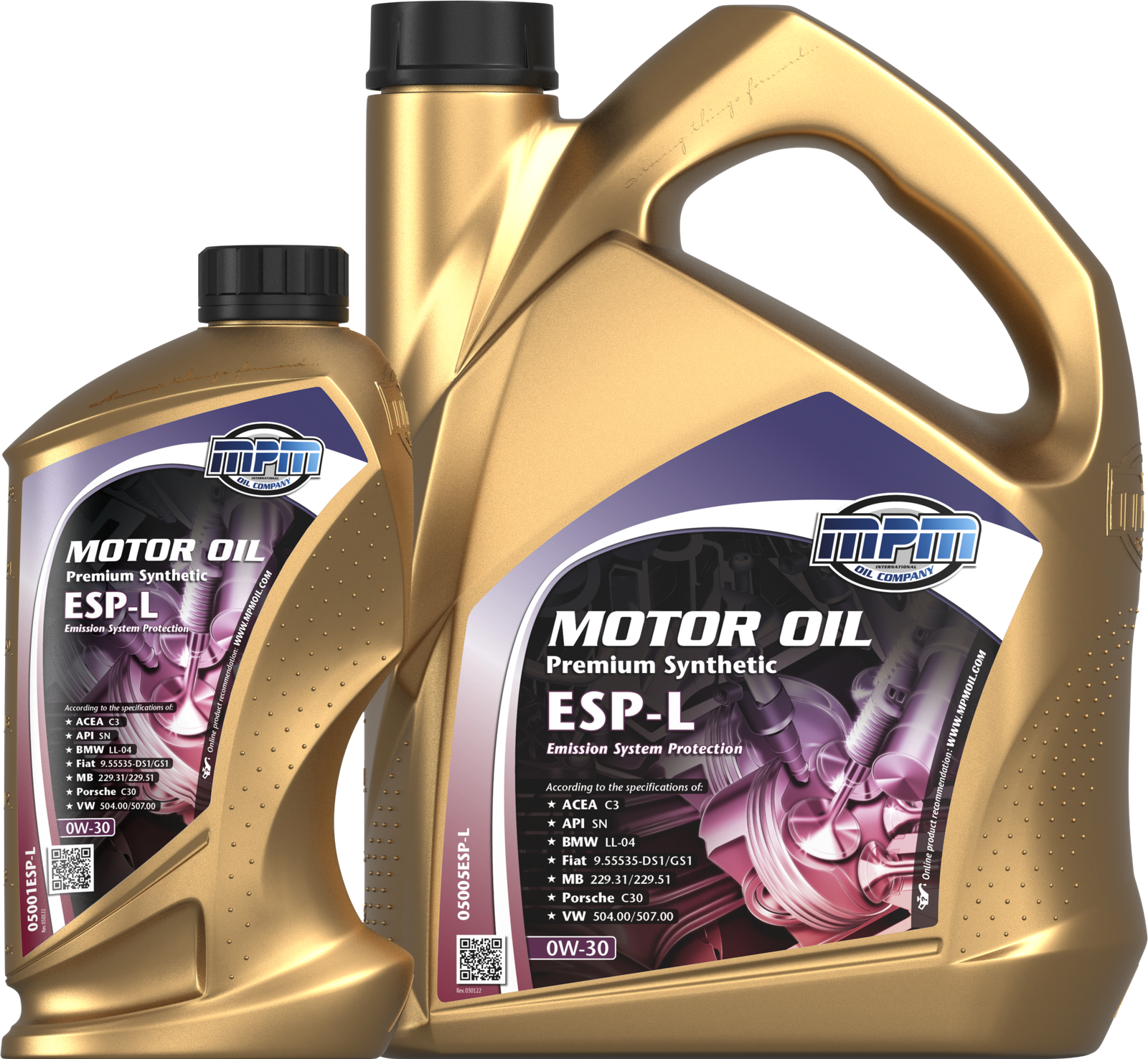
| MPM ESP‑L 0W‑30 | |
|---|---|
| SAE 0W‑30 | ✔ |
| ACEA C2 | ✔ |
| API SP | ✔ |
| Fiat 9.55535‑GS1 | ✔ |
| Fiat 9.55535‑DS1 | ✔ |
Oil specification key
✔ – Meets the required specification
❓ – Not explicitly stated (use caution; check your vehicle manual)
❌ – Does not meet required specification. Use may cause engine issues.
✔ – Meets the required specification
❓ – Not explicitly stated (use caution; check your vehicle manual)
❌ – Does not meet required specification. Use may cause engine issues.
Answer generated by AI.
Oil specifications for 199B7000 engine
SAE 5W-40
ACEA C3
API SN
VW 504.00
VW 507.00
MB 229.51
Most common problems, symptoms & fixes for the 199B7000 engine.
Engine 199B7000, found in Alfa Romeo MiTo and Fiat Punto 0.9 TwinAir Turbo, commonly faces turbocharger wear, carbon buildup, and timing chain tensioner issues. Diagnose turbo problems by checking for loss of power, unusual noises, or smoke. Carbon deposits cause rough idling and reduced efficiency; use fuel additives and regular intake cleaning to prevent. Timing chain tensioner failure leads to rattling noises; inspect tensioner and replace if worn. Prevent issues with regular oil changes using recommended synthetic oil, avoid short trips to allow turbo cooling, and follow service intervals strictly. Early detection and maintenance extend engine life and performance.